Steps to Take Before Seeing an Emergency Pediatric Dentist
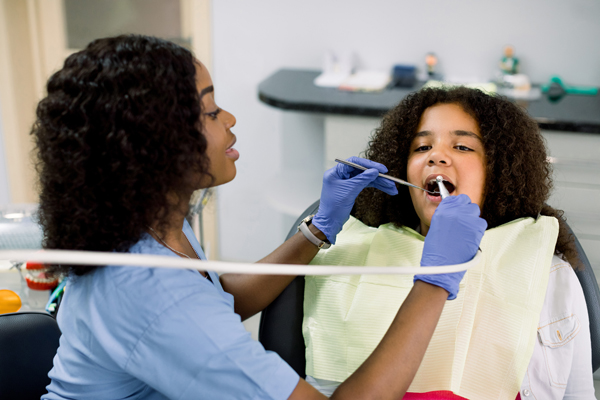
Going to an emergency pediatric dentist can give your child immediate dental needs. Treating urgent dental issues can provide relief right away. It can also prevent complications. Here are the necessary steps that you can take even before the drive to your emergency pediatric dentist.
Reassure the child and stay calm
Showing distress will only intensify the child’s anxiety. This will make it more difficult for the emergency pediatric dentist to provide the necessary care. The child will likely be in pain during a dental issue. Some bleeding may cause panic. Guardians or parents must remain calm at this point.
Understand the common emergency tooth injuries in kids
Kids are more prone to oral or facial accidents because of falls or rough play. Knowing the different dental emergencies in children can help the guardian or parent decide when to drive to an emergency pediatric dentist. This will make it easier to determine what to do. The following are the common dental injuries in kids that often need an emergency pediatric dentist:
- A fractured or chipped tooth may occur after a facial or oral injury. A fractured tooth’s damage goes beyond the enamel layer. A chipped tooth’s damage is confined to the tooth’s enamel layer.
- Soft tissue dental injuries involve damage to the tongue, gums, or lips. These injuries can cause pain and bleeding.
- Displaced or loosened teeth can result from trauma.
- An avulsion or knocked-out tooth happens when the tooth detaches partially or completely from its socket.
Evaluate the injury
Assessing the child’s injury will provide an idea of how severe it is. See if the child lost or injured a tooth. Doing so will tell the parent or guardian what to do next. This will include whether the child will need the help of an emergency pediatric dentist or schedule a regular dental appointment.
Manage the damaged tooth
The chipped or fractured tooth will be prone to dental infection. It is important to keep the tooth clean. Rinse the child’s mouth with warm water. Recover any dental fragments and soak them in milk. Then, bring the child to the emergency pediatric dentist.
Take care of the knocked-out tooth
There will be bleeding after a tooth is knocked out from its socket. Place a sterile gauze on the area and have the child bite gently to apply pressure. Find the tooth and handle it by its crown. Rinse it gently with some milk and place it in a small container of milk. This will keep the tooth alive and moist. Have the child hold a cold compress on the cheek near the area of injury while driving to the emergency pediatric dentist.
Tend to the displaced or loose tooth
Trauma can also cause a tooth to loosen or partially dislodge from its socket. Refrain from touching the loose tooth. Gently place the displaced tooth back into its original position. Place a cold compress on the cheek near the injured tooth. This will reduce the swelling and pain. Giving the child an over-the-counter pain reliever can also provide relief until the child arrives at the emergency pediatric dentist’s clinic.
Preparing before going to an emergency pediatric dentist can provide faster relief
Research shows that children are prone to facial or oral injuries. Falls, contact sports, or biting into something hard can result in dental damage or missing teeth. Knowing what to do before going to the emergency dental clinic can provide some relief to your child right away. Working with your emergency pediatric dentist can prevent complications.
Request an appointment here: https://www.pediatricdentistsuffolk.com or call Fun Park Pediatric Dentistry at (757) 767-2767 for an appointment in our Suffolk office.
Related Posts
When restoring damaged or decayed teeth in children, pediatric dentists frequently recommend tooth-colored crowns to ensure both durability and aesthetics. Tooth-colored crowns provide a natural appearance, helping young patients feel comfortable and confident while addressing essential dental concerns. Understanding the different types of tooth-colored crowns allows parents to make informed decisions regarding their child's oral…
In many cases, a pediatric dentist can save a severely damaged tooth with a pediatric root canal. However, there are times when the damaged tooth is beyond saving, and the dentist will need to remove it with a tooth extraction procedure. The damage may be tooth decay, cracks, or chips. If your child has a…
Keeping up with oral hygiene basics can prevent cavities and other issues with your child's teeth. Proper daily care can also stop discoloration of the teeth and reduce bad breath. Here are some dental habits that kids can benefit from as part of a daily routine.One of the most important parts of oral hygiene is…
Your child may need a pediatric root canal for an infected baby tooth. Research shows that many parents think that this is not necessary since the baby tooth will fall out anyway. But baby teeth play a vital role in your child’s dental development and health. Knowing the signs your child may go through a…