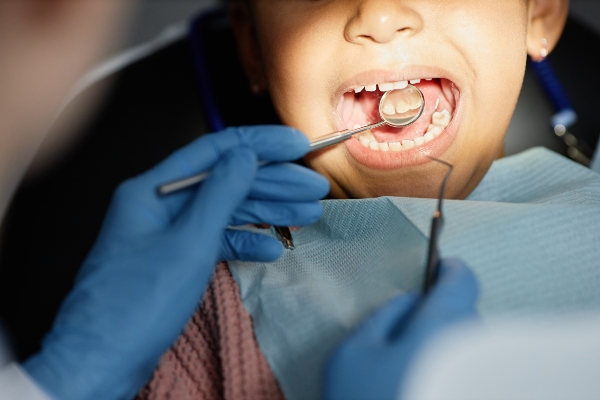
 Good oral health starts with oral hygiene basics. As a parent, it is important to understand the most effective practice that a pediatric dentist might recommend to help your child care for their teeth. By following these guidelines, you can safeguard their oral health and protect their smile for years to come.
Help your child care for their teeth
Oral hygiene basics begin with clean teeth, involving more than a quick surface swab with a toothbrush. Parents can follow these guidelines to help their children care for their teeth daily.
Brush thoroughly
First, children must have access to the right equipment, such as a soft-bristled toothbrush and fluoride toothpaste. An electric toothbrush can be even more effective at reducing plaque. Teach children to brush thoroughly twice a day for at least two minutes each time. It is important to note that they should not brush right after meals, as the acid from the food combined with the brushing can damage their tooth enamel.
To be effective, children must brush the inside, outside, and chewing surfaces of their teeth. Remind them not to forget to brush their tongue to get rid of bacteria. Teach them a good brushing technique with circular motions, holding the brush at a slight angle and aiming toward their gum line. After each use, make sure they clean their toothbrush with water and store it upright in the open air, away from other toothbrushes. Remember to replace the child's toothbrush or the head of their electric toothbrush when the bristles become frayed or every three months.
Remove hidden bacteria
Bacteria hide in tight spaces under the gum line and between the teeth where toothbrushes cannot reach. To eliminate that hidden bacteria, try the following:
- A dental rinse with fluoride can help flush out bacteria and prevent plaque from building up
- Alternatives to traditional floss such as a dental pick, pre-threaded flosser, water flosser, and wedge plaque remover
- Teach children to floss gently, using a piece of high-quality floss wound around the middle finger on one hand and gripped between their thumb and forefinger
Encourage children to floss one tooth at a time, sliding the floss into the space between the tooth and the gums and gently rubbing the sides of each tooth without snapping it into the gums. Help them as needed or until they can do it correctly on their own.
Incorporate healthy habits
Parents can encourage their children to eat a healthy and well-balanced diet. Limit sugary and starchy foods and encourage foods rich in fiber, as well as vitamins C and D. Parents should also try to eliminate sugary or acidic drinks and promote water as their go-to choice.
Visit the pediatric dentist
Regular visits to the pediatric dentist are essential for every child's oral health. They should receive professional cleanings, oral examinations, and X-rays to detect hidden damage or areas of concern. Pediatric dentists may also recommend fluoride treatments or dental sealants to help prevent future oral health issues.
Parents should schedule regular dental appointments for their children every four to six months or at least twice a year. However, if there are any unusual symptoms or signs of gum disease or other oral health issues, be sure to contact the pediatric dentist as soon as possible. These may include bad breath, bleeding gums when brushing or flossing, pain while chewing, loose permanent teeth, and gums that are red, swollen, tender, or receding from the teeth.
Call us today
By encouraging a strong understanding and implementing daily practices of oral hygiene basics, you can help protect your child's smile and the function of their natural teeth for many years to come. Your role as a parent in teaching and encouraging these habits is essential in maintaining your child's optimal oral health.
Request an appointment or call Fun Park Pediatric Dentistry at 757-767-2767 for an appointment in our Suffolk office.
Related Posts
Anyone familiar with oral hygiene basics knows that pediatric dentists recommend brushing twice per day — once in the morning and once at night. However, you may not know why. Why is once not enough? After all, experts recommend flossing only once a day. How is brushing your teeth different? This article will explore why…
When you and your child visit the dentist, you expect to get your child’s teeth cleaned and learn the current state of their dental health. However, many parents overlook the expertise dentists can provide about the important aspects of oral hygiene basics.In addition to caring for teeth, dentists can offer helpful recommendations for young patients…
Keeping up with oral hygiene basics can prevent cavities and other issues with your child's teeth. Proper daily care can also stop discoloration of the teeth and reduce bad breath. Here are some dental habits that kids can benefit from as part of a daily routine.One of the most important parts of oral hygiene is…