5 Baby Dental Crown FAQs
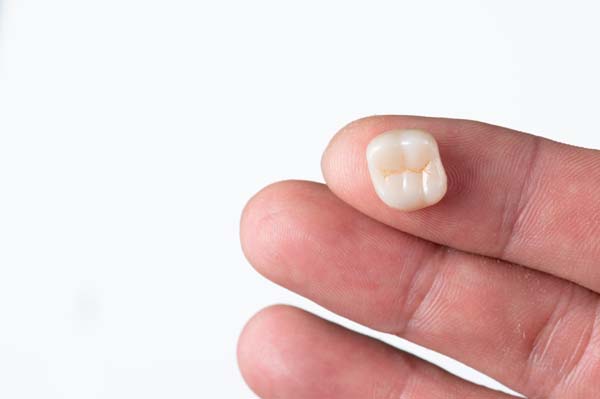
Baby dental crown placement is a common treatment performed in pediatric dentistry. While the word "baby" does imply that they are used for infants, these crowns are actually used for baby or primary teeth, whether in a toddler or child who is anywhere from the ages of four to 10 years old.
5 Common baby dental crown questions
Outlined below are a few frequently asked questions and answers regarding baby dental crowns. Parents that have been told their child needs a baby dental crown can review this information to get a better idea of what to expect.
1. What is a baby dental crown?
A baby dental crown is a small cap that is used for baby teeth. It functions the same way a traditional dental crown does, however, it is smaller and less durable, as it is not meant to last forever.
2. When are baby dental crowns needed?
A baby dental crown is typically needed when a child has a cavity or abnormality that poses a risk to oral health. In most cases, cavities can be remedied with a dental filling, however, if it is more severe, a baby dental crown may be required. In the case that an accident occurs, a chipped or cracked tooth may be the result, which may also require a pediatric dentist to place a baby dental crown.
3. Are baby dental crowns safe?
Yes. Baby dental crowns may sound intimidating, but parents can rest assured knowing that the child is safe in the pediatric dentist's hands. Baby dental crowns are actually necessary in order to keep the natural tooth safe until it falls out to be replaced by the adult tooth.
4. Will a baby dental crown placement hurt the child?
No, but there may be some discomfort. Baby dental crowns are similar to adult ones, however, they are geared toward baby teeth. With that being said, it is important to understand that the procedure can be uncomfortable as decayed or damaged parts of the tooth do have to be removed in the process. However, pediatric dentists work to combat any discomfort with a numbing agent and laughing gas. After the baby dental crown has been placed, the child may feel some slight soreness or sensitivity, which can be remedied with an over-the-counter children's pain reliever.
5. Are there any alternatives to baby dental crowns?
Most pediatric dentists only recommend a baby dental crown when absolutely necessary. While parents may be hesitant about the procedure, it is almost always necessary in order to address the problem at hand.
Consult with a pediatric dentist
Parents that still have questions about baby dental crowns can reach out directly to a pediatric dentist. The pediatric dentist can address these questions and go over any other concerns. To find out more or to get scheduled for an appointment, contact us today.
Request an appointment here: https://www.pediatricdentistsuffolk.com or call Fun Park Pediatric Dentistry at (757) 767-2767 for an appointment in our Suffolk office.
Related Posts
When restoring damaged or decayed teeth in children, pediatric dentists frequently recommend tooth-colored crowns to ensure both durability and aesthetics. Tooth-colored crowns provide a natural appearance, helping young patients feel comfortable and confident while addressing essential dental concerns. Understanding the different types of tooth-colored crowns allows parents to make informed decisions regarding their child's oral…
In many cases, a pediatric dentist can save a severely damaged tooth with a pediatric root canal. However, there are times when the damaged tooth is beyond saving, and the dentist will need to remove it with a tooth extraction procedure. The damage may be tooth decay, cracks, or chips. If your child has a…
Keeping up with oral hygiene basics can prevent cavities and other issues with your child's teeth. Proper daily care can also stop discoloration of the teeth and reduce bad breath. Here are some dental habits that kids can benefit from as part of a daily routine.One of the most important parts of oral hygiene is…
Your child may need a pediatric root canal for an infected baby tooth. Research shows that many parents think that this is not necessary since the baby tooth will fall out anyway. But baby teeth play a vital role in your child’s dental development and health. Knowing the signs your child may go through a…