 Teaching your child to practice good oral hygiene basics is essential for setting them up for lifelong oral health. Here are four important ways children can maintain good oral health.
Standard oral hygiene practices
1. Brushing and flossing regularly
Pediatric dentists recommend kids brush their teeth at least twice daily for two minutes each session. Brushing removes food particles left behind after eating and removes plaque, a sticky substance that can accumulate, harden, and lead to dental problems if not taken care of promptly. Manual toothbrushes with soft bristles are the ideal tools for brushing, along with toothpaste containing fluoride. Proper brushing techniques include:
- Holding the toothbrush at a 45-degree angle to the gums.
- Moving the brush back and forth in gentle, fluid strokes.
- Brushing the outer surface of the teeth while applying mild pressure and then going back to do the same for the backsides of the teeth.
Kids should floss once daily, slowly and carefully, so as not to agitate the gums. Flossing removes food and plaque between the teeth in places kids cannot reach by brushing. Floss comes in varying flavors to make flossing more fun for children.
2. Hydrating
Practicing good oral hygiene can be as simple as drinking enough daily water. Water washes away food particles left behind from snacks and meals while promoting saliva production. Saliva in the mouth helps protect the teeth from issues such as cavities and infections. However, the amount of water recommended varies by the child’s age.
According to the American Academy of Pediatrics, kids ages 1-3 should drink 4 cups of beverages daily, including water and milk. Five cups are recommended for children 4-6, and seven to eight cups are recommended for older children. In addition, children should be encouraged to drink water in place of sugary sodas. Parents are encouraged to speak to their pediatrician or pediatric dentist about specific recommendations for their child.
3. Visiting the dentist regularly
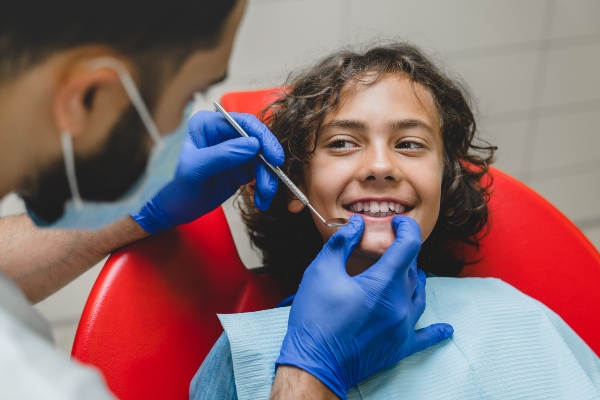
Children should visit the dentist every six months for a checkup and cleaning. A dental exam includes checking for cavities and other oral problems before they turn into something more serious. Kids should also get x-rays of their teeth every two to three years, even if their teeth are otherwise healthy, to identify any possible issues that cannot be seen on the surface of the teeth. These regular dental visits should start within six months of the child’s first tooth eruption or by one year of age.
4. Reducing intake of acidic and sugary foods
Sugar helps feed the bacteria that live in the mouth and contributes to plaque forming on the surfaces of the teeth. Reducing sugar intake helps maintain a healthy oral environment. Acidic foods and drinks can eventually lead to erosion of the enamel of the teeth when consumed in large amounts over time. Drinking water and brushing can reduce some of the adverse effects of sugar and acid, but it is advisable to avoid these substances in the first place.
Conclusion
Practicing these simple oral hygiene basics can prevent serious issues with oral health. By teaching children proper oral healthcare, parents can help them develop and maintain healthy smiles. For more advice on how to help teach children good oral health, call our team today.
Request an appointment or call Fun Park Pediatric Dentistry at 757-767-2767 for an appointment in our Suffolk office.
Related Posts
Anyone familiar with oral hygiene basics knows that pediatric dentists recommend brushing twice per day — once in the morning and once at night. However, you may not know why. Why is once not enough? After all, experts recommend flossing only once a day. How is brushing your teeth different? This article will explore why…
When you and your child visit the dentist, you expect to get your child’s teeth cleaned and learn the current state of their dental health. However, many parents overlook the expertise dentists can provide about the important aspects of oral hygiene basics.In addition to caring for teeth, dentists can offer helpful recommendations for young patients…
Keeping up with oral hygiene basics can prevent cavities and other issues with your child's teeth. Proper daily care can also stop discoloration of the teeth and reduce bad breath. Here are some dental habits that kids can benefit from as part of a daily routine.One of the most important parts of oral hygiene is…