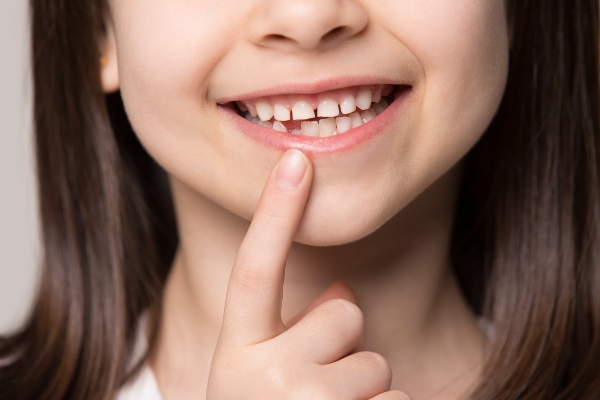
 Children brushing and flossing their teeth twice a day are important oral hygiene basics, but what about using mouthwash? Is it a necessary part of keeping their teeth healthy? While mouthwash is not typically included in the oral hygiene basics recommended by pediatric dentists, it can still offer several benefits when used correctly.
Fights bacteria
One of the key aspects of oral hygiene basics is removing the bacteria that can lead to gum disease and cavities. Most mouthwashes have antimicrobial properties, meaning they can kill bacteria. To use mouthwash, your child can take a small amount and swish it around their mouth vigorously for at least 30 seconds.
Afterward, they should spit it into the sink and rinse their mouth with water. It is important to ensure they do not swallow the mouthwash, as it is unsuitable for ingestion. If necessary, use a kid-friendly mouthwash to minimize the risk of them swallowing the liquid accidentally.
Helps with bad breath
Bacteria are often the culprit behind bad breath, so anything that can eliminate bacteria may help freshen breath. If your child maintains good oral hygiene but still experiences bad breath occasionally, mouthwash can be beneficial. Many mouthwash brands also offer "fresh" scents like peppermint and spearmint, which can boost freshness after a strongly flavored meal.
However, it is crucial to look for a mouthwash that addresses the underlying causes of bad breath rather than simply covering up the odor. Always check the ingredients before making a purchase. If needed, consult your child’s dentist for recommendations.
Flushes away loose food and bacteria
Dentists recommend flossing to dislodge food particles trapped between teeth, followed by brushing to remove the debris. However, brushing alone may miss tiny bits of food caught in the gums. A thorough rinse with mouthwash can help ensure that any remaining food particles and bacteria are flushed away, promoting better oral hygiene.
Strengthens teeth
Certain mouthwashes contain fluoride, a chemical compound known for its ability to strengthen tooth enamel. Fluoride is often added to drinking water as a preventative measure against cavities and other oral health issues. If your child is genetically predisposed to developing cavities, using fluoride-infused mouthwash as part of their oral care routine can be an excellent preventive measure.
Possible irritations
One downside to using mouthwash is that certain brands may contain ingredients that can irritate the sensitive skin in your child's mouth. Even alcohol-free mouthwashes can cause discomfort in certain situations.
Canker sores
Canker sores are small mouth lesions that are common and typically heal on their own. However, some mouthwashes may contain ingredients that can irritate these sores. If your child has a canker sore, skip using mouthwash until it is fully healed.
Dehydration
Some mouthwash ingredients have a dehydrating effect, which may leave your child's mouth feeling dry after rinsing. While this dryness does not bother some people, if your child is prone to dry mouth or is taking medication that causes dry mouth as a side effect, the dehydration may be more noticeable.
Conclusion
Mouthwash can be a valuable addition to your child's oral hygiene routine. However, it is important to remember that rinsing with mouthwash does not replace regular oral care practices recommended by dental professionals. In addition, mouthwash may not be appropriate for younger children, so ask a pediatric dentist what they may recommend for your child. Help your child develop and maintain a thorough oral health care routine. Reach out to our office for more information if you still have questions. We are here to help.
Request an appointment or call Fun Park Pediatric Dentistry at 757-767-2767 for an appointment in our Suffolk office.
Related Posts
Anyone familiar with oral hygiene basics knows that pediatric dentists recommend brushing twice per day — once in the morning and once at night. However, you may not know why. Why is once not enough? After all, experts recommend flossing only once a day. How is brushing your teeth different? This article will explore why…
When you and your child visit the dentist, you expect to get your child’s teeth cleaned and learn the current state of their dental health. However, many parents overlook the expertise dentists can provide about the important aspects of oral hygiene basics.In addition to caring for teeth, dentists can offer helpful recommendations for young patients…
Keeping up with oral hygiene basics can prevent cavities and other issues with your child's teeth. Proper daily care can also stop discoloration of the teeth and reduce bad breath. Here are some dental habits that kids can benefit from as part of a daily routine.One of the most important parts of oral hygiene is…