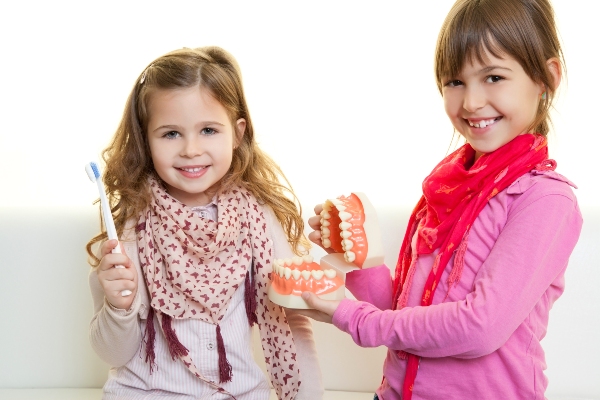
 Teeth brushing is one of the most important oral hygiene basics, as it removes plaque from teeth. However, the toothbrush kids use can impact how effective this practice is. To optimize toothbrushing, parents need to find a brush that fits their child's needs. Fortunately, there are many options out there.
Types of toothbrushes
A pediatric dentist can help parents and children learn proper brushing techniques during appointments and check-ups. When first learning oral hygiene basics, most start with a manual brush designed for kids. However, manufacturers have created new models over the years, providing diversity in the supermarket aisle. Today, parents can choose from the following toothbrushes.
Electric
Electric toothbrushes have a moving head and operate with batteries or a charger. Most models are rechargeable and allow buyers to replace the head. The American Dental Association recognizes that electric and manual brushes are equally effective at removing plaque. Still, some people may benefit from powered options.
For example, people with dexterity issues, such as individuals with disabilities or advanced in age, may clean their teeth more effectively with a powered toothbrush. Since the motor does all the work, children using electric brushes only have to gently apply the bristles, making cleaning more manageable and efficient.
Manual
Manual toothbrushes require the user to apply pressure and move the brush. One of the cheapest and most popular options, manual brushes, is easy to replace after the recommended three months. Various models also offer handle designs to comfortably fit children's palms.
Types of bristles
When teaching oral hygiene basics, dentists recommend using soft-bristled brushes. However, there are three different levels of bristle firmness: soft, medium, and hard.
Why are there multiple options if only one is recommended? The truth is children may benefit from using any of them if they do so in the correct way.
Soft bristles
Soft bristles are firm enough to clean teeth effectively in most younger children. Even more importantly, they do not damage gums. When children learn to brush their teeth, they can brush too hard, irritating their gums and causing abrasions. Choosing soft bristles protects their gums, though they should still try only to apply gentle pressure.
Medium bristles
As children age, they may find that soft-bristle brushes are becoming ineffective. Therefore, the dentist may recommend they transition to medium-bristles. These bristles are marginally firmer than those labeled soft and are more abrasive. While this increase does remove plaque more efficiently, it can also harm gums if children scrub too hard.
Hard bristles
Hard-bristle brushes are more abrasive, which makes them excellent for scrubbing away stains. However, not everyone should use a hard-bristle brush. Kids who frequently eat foods that easily stain will get the most out of these brushes. However, toddlers may find these bristles too abrasive, so they may better suit teens. The following are popular foods that contribute to stains:.
- Soda and fruit juices
- Fruit snacks
- Candy with dye
- Tomato-based sauces
Remember, children should not use this type of toothbrush every day. Instead, they should only use it occasionally when they notice stains between appointments. Children with orthodontic appliances, like braces, should not use this toothbrush, as it may damage their hardware.
Ensure your child is equipped with the right dental tools
We hope you found this article informative. With the perfect brush in hand and a firm grasp on oral hygiene basics, your child has a higher chance of protecting the integrity of their smile as they age. If you have questions on the type of products your child should use or need to schedule their next dental appointment, call us today.
Request an appointment or call Fun Park Pediatric Dentistry at 757-767-2767 for an appointment in our Suffolk office.
Related Posts
Anyone familiar with oral hygiene basics knows that pediatric dentists recommend brushing twice per day — once in the morning and once at night. However, you may not know why. Why is once not enough? After all, experts recommend flossing only once a day. How is brushing your teeth different? This article will explore why…
When you and your child visit the dentist, you expect to get your child’s teeth cleaned and learn the current state of their dental health. However, many parents overlook the expertise dentists can provide about the important aspects of oral hygiene basics.In addition to caring for teeth, dentists can offer helpful recommendations for young patients…
Keeping up with oral hygiene basics can prevent cavities and other issues with your child's teeth. Proper daily care can also stop discoloration of the teeth and reduce bad breath. Here are some dental habits that kids can benefit from as part of a daily routine.One of the most important parts of oral hygiene is…