How Does Cosmetic Dentistry for Children Work?
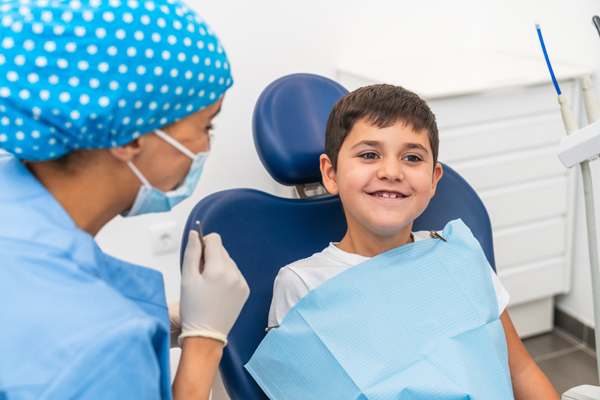
Cosmetic dentistry for children focuses on improving how a child’s teeth look while also supporting healthy function and comfort. Parents often ask when cosmetic dentistry for children makes sense and how it differs from adult cosmetic care. A general dentist evaluates tooth development, bite alignment, and enamel strength before recommending any aesthetic-focused service. We tailor the plan to a child’s age, oral habits, and risk of cavities.
When cosmetic care makes sense
Many concerns start with visible changes to the front teeth. Chips from falls, stains from certain medicines, uneven tooth shape, or gaps can affect confidence, speech, and brushing habits. Cosmetic dentistry for children can also play a role after decay treatment, since restorations on front teeth often need to look natural. A dentist may recommend conservative options first, especially when baby teeth will soon fall out. For older children and teens, care may address permanent teeth that will remain for life.
Common options for kids
A dentist chooses materials and techniques that work well for smaller teeth and growing jaws. The goal often involves small changes that preserve as much natural tooth structure as possible. Cosmetic dentistry for children may include repairs, reshaping, or tooth-colored restorations that blend with the smile.
Common services may include:
- Tooth-colored fillings to repair cavities or small chips on visible teeth
- Composite bonding to reshape a tooth, close a small gap, or cover a minor defect
- Enamel microabrasion or polishing for certain surface stains
- Dental crowns are used for baby teeth when decay or fracture affects the strength and appearance of the tooth
- Space maintainers or orthodontic referral when spacing affects alignment
A dentist should explain which option matches the child’s tooth type, the size of the defect, and the expected durability. This approach helps families understand the “why” behind the recommendation.
What the visit looks like
The appointment usually starts with an exam, followed by photos and X-rays when needed. The dentist checks gum health, bite, and habits such as thumb-sucking, nail-biting, or teeth grinding. If treatment involves bonding or fillings, the team may use a local anesthetic to keep the child comfortable, then shape and polish the material to match natural contours. For crowns, the dentist prepares the tooth and places a crown designed for pediatric use. A follow-up visit may confirm fit, bite comfort, and home care routines.
Keeping results looking natural
Daily habits matter because stains and cavities can affect cosmetic results. Brushing twice daily with fluoride toothpaste, limiting frequent sugary snacks, and drinking water between meals support enamel health. Sports mouthguards help prevent chips and fractures during activity. Parents should ask about fluoride treatments, sealants, and timing for orthodontic evaluation, since alignment can influence long-term appearance. For more information or to schedule an appointment, call our office.
To schedule a consultation, please request an appointment on our website at https://www.pediatricdentistsuffolk.com or call Fun Park Pediatric Dentistry at (757) 767-2767 to arrange an appointment at our Suffolk office.
Related Posts
Cosmetic dentistry for children focuses on addressing issues that affect the way that their teeth look. These treatments are used to fix various imperfections, like gaps between teeth, stains, and alignment issues. Children can start getting cosmetic dental treatments by the time they reach the age of seven.Cosmetic dentistry is rarely needed for baby teeth,…
When you and your child visit the dentist, you expect to get your child’s teeth cleaned and learn the current state of their dental health. However, many parents overlook the expertise dentists can provide about the important aspects of oral hygiene basics.In addition to caring for teeth, dentists can offer helpful recommendations for young patients…
Pediatric root canal treatment is the standard method of addressing decay that has reached the interior chamber of a tooth, called the pulp. While such decay should be avoided at any stage of life, it is essential to address the issue in children, as their milk teeth play a critical role in the later development…
When restoring damaged or decayed teeth in children, pediatric dentists frequently recommend tooth-colored crowns to ensure both durability and aesthetics. Tooth-colored crowns provide a natural appearance, helping young patients feel comfortable and confident while addressing essential dental concerns. Understanding the different types of tooth-colored crowns allows parents to make informed decisions regarding their child's oral…